 PLAY
PLAYMicrosoft's Role in Revolutionizing Personal Computing
By Playloot Team · Feb 24, 2026
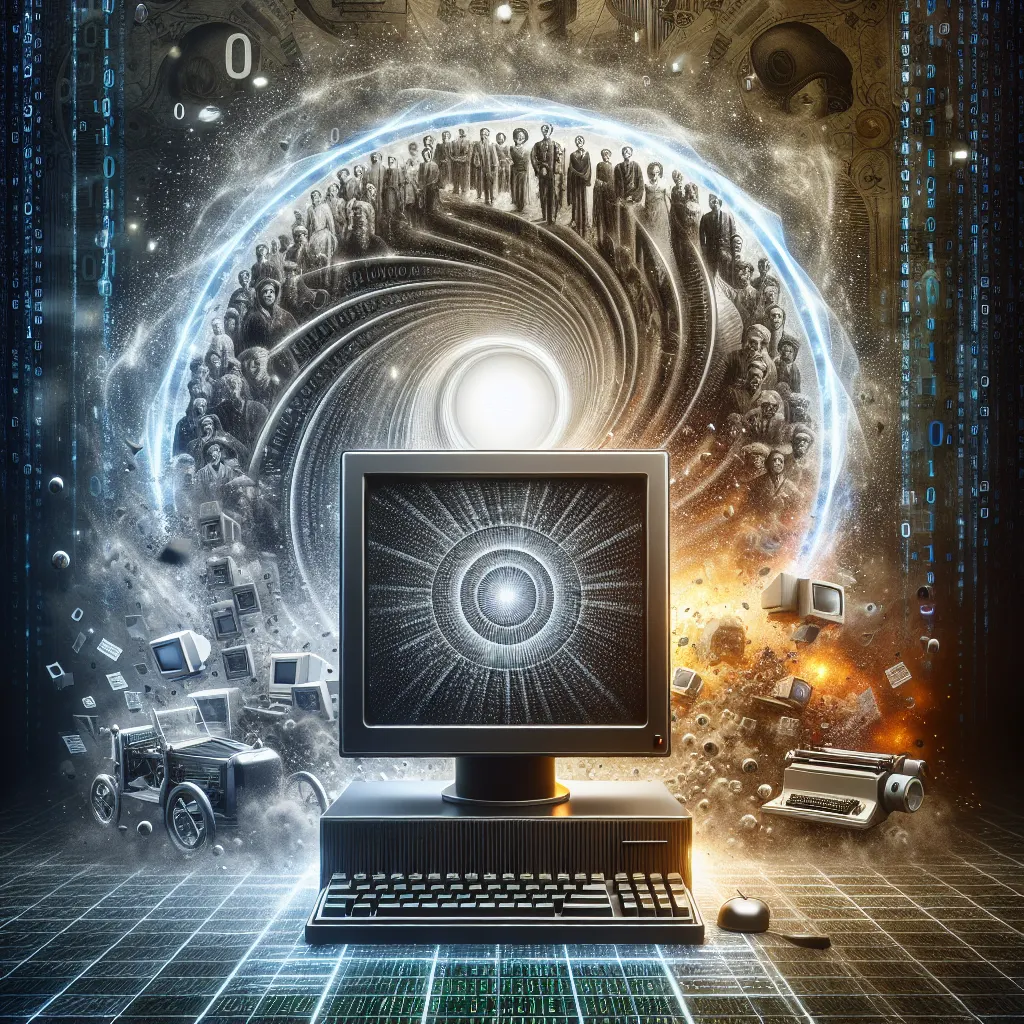
Microsoft's Role in Revolutionizing Personal Computing
The personal computing landscape has been greatly shaped by numerous technological giants, but few have had as profound an impact as Microsoft. From developing software that changed the way we work and play, to creating operating systems that power millions of computers around the world, Microsoft's influence is undeniable. For a broader view on this tech giant's impact, you might want to check out our Back to the Ultimate Guide: The Impact of Microsoft: A Comprehensive Appreciation Guide.
Microsoft was founded in 1975 by Bill Gates and Paul Allen, and within a decade, it had already established itself as a leader in software development. The company's first major milestone was the introduction of MS-DOS in 1981, which became the underlying software for IBM computers. This software greatly simplified the management of computer functions and paved the way for future innovations.
The true revolutionary movement began with the launch of Windows 1.0 in 1985. Prior to Windows, most personal computers functioned on text-based operating systems that were cumbersome and inaccessible to many users. Windows brought a graphical user interface (GUI) to the masses, making computers accessible and user-friendly. The success of Windows 3.0 and subsequent versions helped popularize personal computing around the world, as Microsoft continued to refine and expand its operating systems.
Another critical factor in Microsoft's role in personal computing was the development of the Microsoft Office Suite. First released in 1989 for Macintosh and in 1990 for Windows, Microsoft Office became an indispensable tool for businesses and individuals alike. By integrating a word processor, spreadsheet program, and other applications, Microsoft Office transformed office work, enhancing productivity and setting a standard for business software solutions.
Beyond the software realm, Microsoft has played a significant role in the hardware sector as well. The introduction of the Surface line of tablets and laptops showcased Microsoft's commitment to high-quality design and performance. These devices blend the functionality of a computer with the portability of a tablet and have set new standards for hybrid devices in personal computing.
In recent years, Microsoft's push towards cloud computing and artificial intelligence has marked another turning point. Services like Microsoft Azure and AI tools such as Cortana demonstrate Microsoft's ability to innovate and adapt to emerging trends in technology. These platforms not only empower businesses to harness the power of the cloud but also enable revolutionary advancements in machine learning and AI applications.
Moreover, Microsoft's involvement in the gaming industry cannot be overlooked. Since the launch of the original Xbox in 2001, Microsoft has significantly influenced gaming culture and technology, competing vigorously in a field that was once considered outside its core business domain. The company's integration of gaming with its broader ecosystem of products highlights its dynamic approach to personal computing.
As we assess Microsoft's journey over the decades, it becomes evident that the company has been a pioneer and a constant innovator in the personal computing revolution. Its ability to embrace change, diversify its product offerings, and remain at the forefront of technological advancement exemplifies its enduring impact on the global tech landscape. As we look towards the future, Microsoft continues to shape and redefine the possibilities of personal computing and technology at large.