 PLAY
PLAYThe History of Xbox Game Porting to Nintendo and PlayStation Platforms
By Playloot Team · Mar 07, 2026
The History of Xbox Game Porting to Nintendo and PlayStation Platforms
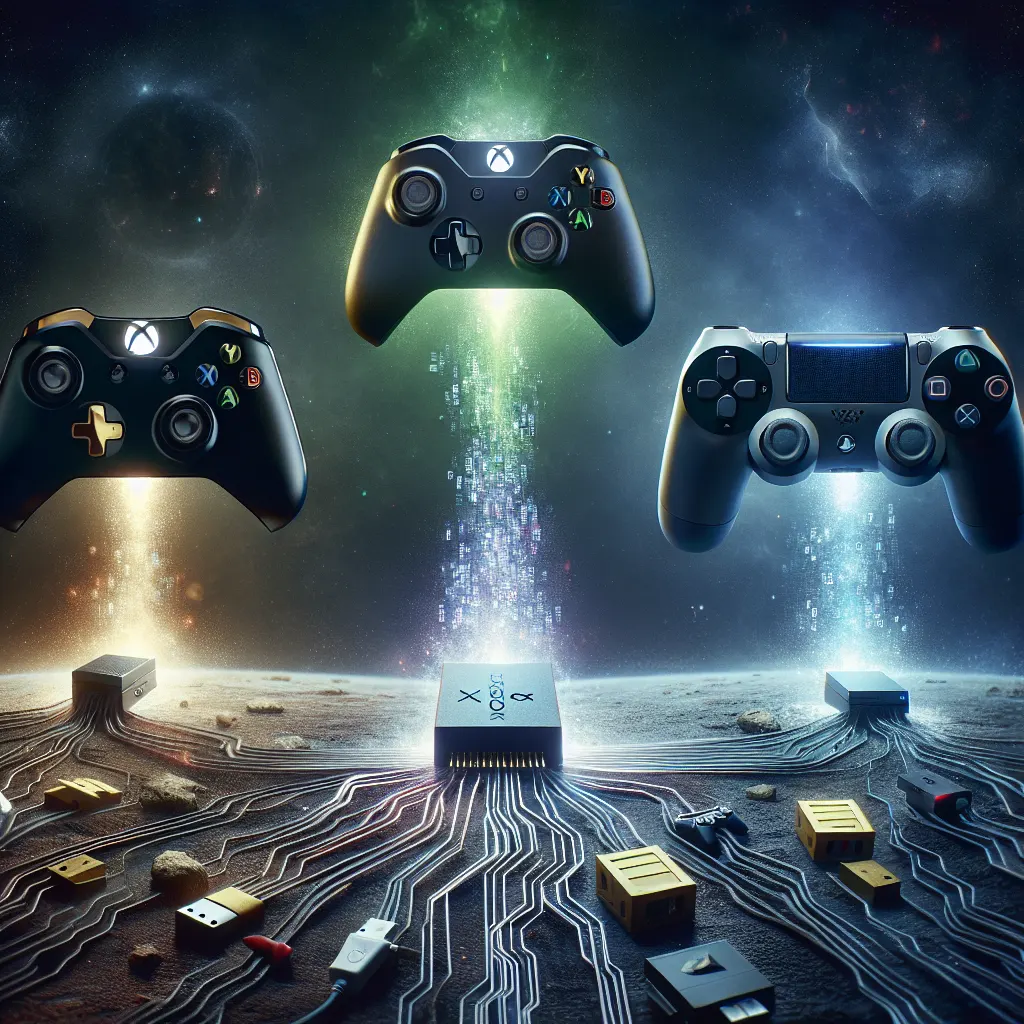
In the ever-evolving landscape of gaming, platform exclusivity has often shaped the experiences and loyalty of gamers across the world. However, the barriers that once separated gaming ecosystems are slowly eroding, leading to a more integrated and collaborative industry. A fascinating aspect of this evolution is the porting of Xbox games to competitive platforms such as Nintendo and PlayStation.
Table of Contents
For those interested in a comprehensive analysis of Xbox game availability beyond its native platform, don't miss our detailed exploration: Back to the Ultimate Guide: Exploring the Truth Behind Xbox Game Rumors: Are More Titles Coming to Nintendo Switch and PS5?
Initially, the notion of Xbox titles being available outside Microsoft's console network was almost unthinkable. The debut of the Xbox platform in 2001 with its flagship franchise, Halo, marked the beginning of an era focused on adding value through exclusive game titles. Yet, over the years, the gaming world has witnessed significant shifts in corporate strategy, technology, and consumer expectations, leading Microsoft to explore new avenues.
A decisive moment was when Microsoft acquired titles and franchises that had inherent multi-platform legacies. The acquisition of Mojang and its globally adored game, Minecraft, reflected a strategic decision not to confine this hysteria-inducing game to just Xbox but to allow it to flourish across Wiis, Switches, and PlayStations alike. This marked the beginning of Xbox's footprint on competing consoles.
Further cementing this strategy was Microsoft's commitment to the philosophy of gaming for everyone, everywhere. This approach saw renewed partnerships with Nintendo, leading to a remarkable era where iconic Xbox games like Cuphead made their way to the Nintendo Switch. The reception was overwhelmingly positive, showcasing the eagerness of gamers for cross-platform accessibility.
Similarly, the arrival of Xbox Game Studios titles such as Ori and the Blind Forest on Nintendo platforms further indicated that the walls between console ecosystems were not as immovable as they once appeared. These collaborations emphasized mutual market enrichment rather than direct competition. On the PlayStation front, while fewer, Xbox games like MLB: The Show have made surprising entries, though under unique licensing agreements.
Technological advances also play a crucial role in facilitating these transitions. The development of robust game engines and middleware has reduced the technical hurdles previously faced during porting. Moreover, with the industry gradually leaning towards cloud-based gaming, exclusivity may become even less restrictive as platforms like Xbox Cloud Gaming promise more fluid transitions between devices.
The future of game porting from Xbox to other platforms looks promising. While many factors, including corporate diplomacy, licensing agreements, and fan demand, heavily influence these decisions, the current trajectory strongly hints at a more integrated, gamer-first experience. A seamless gaming world where content dictates preference over platform loyalty could redefine how console makers strategize their release plans in the coming years.
Frequently Asked Questions
Xbox games are ported to other platforms to increase market reach, revenue, and to align with Microsoft's philosophy of making gaming accessible to everyone, everywhere.
One of the first major Xbox games ported to a Nintendo console was Minecraft, following Microsoft's acquisition of Mojang.
No, not all Xbox exclusive games are available on PlayStation. Port decisions are generally made based on strategic partnerships and commercial viability.
Technological advancements such as sophisticated game engines and cloud gaming platforms reduce technical barriers, facilitating easier and more efficient game porting across platforms.
Yes, cross-platform play is increasingly a factor as it enhances the multiplayer experience by allowing interaction across different devices, making games more appealing.