 PLAY
The Ultimate Guide to Cleaning Your Apple Watch: Tips and Best Practices
By Playloot Team · Oct 02, 2026
The Ultimate Guide to Cleaning Your Apple Watch: Tips and Best Practices
Your Apple Watch is more than just a timekeeper; it’s a fashion statement, fitness tracker, and personal assistant all rolled into one. Given its versatile utility, it's only natural to want to keep it looking pristine while ensuring peak functionality. However, the process of cleaning your Apple Watch isn't as straightforward as wiping down your smartphone or airing out your favorite sneakers. This is why we've created a comprehensive guide to steer you through the best practices in maintaining the appearance and operational integrity of your Apple Watch. Welcome to 'The Ultimate Guide to Cleaning Your Apple Watch: Tips and Best Practices'.
Table of Contents
This pillar page provides a broad overview of everything you need to know about cleaning your Apple Watch effectively. From tips on safe cleaning agents to avoid causing damage, to methods for maintaining the bands, we've got it all covered. Furthermore, we've dedicated specific areas of focus on related sub-topics which we delve into more deeply in our detailed guides. These topics include cleaning different types of bands, dealing with water and sweat damage, and a step-by-step process for keeping the display crystal clear. Keep an eye out for the placeholder links, as they’ll take you directly to each of these detailed guides.
Overview
The Importance of Cleaning Your Apple Watch
Given that the Apple Watch is a device you wear daily, it's subject to a significant amount of dirt, sweat, and environmental contaminants. Regular cleaning not only enhances the aesthetic appearance and hygiene of the watch but also ensures that sensors and functionality remain unimpaired, offering you precise health data and overall better performance.
General Cleaning Tips
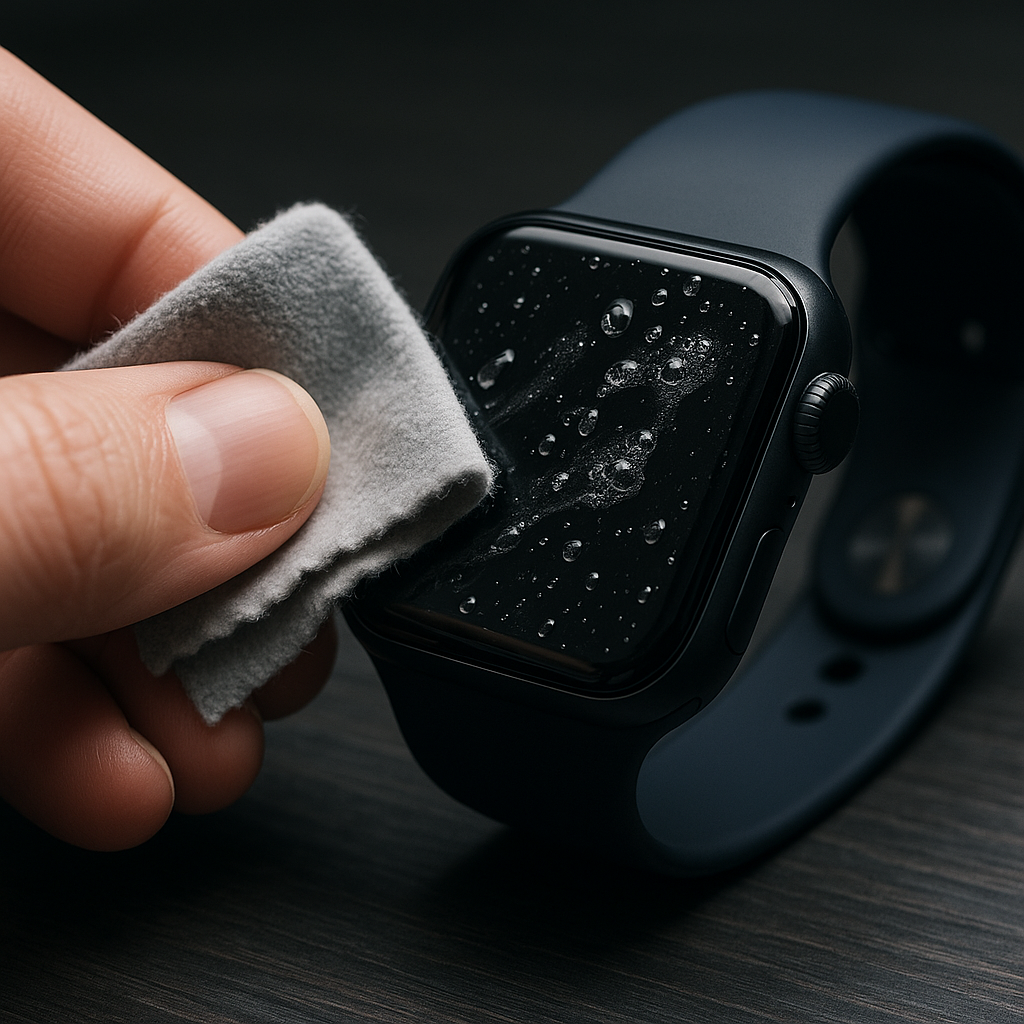
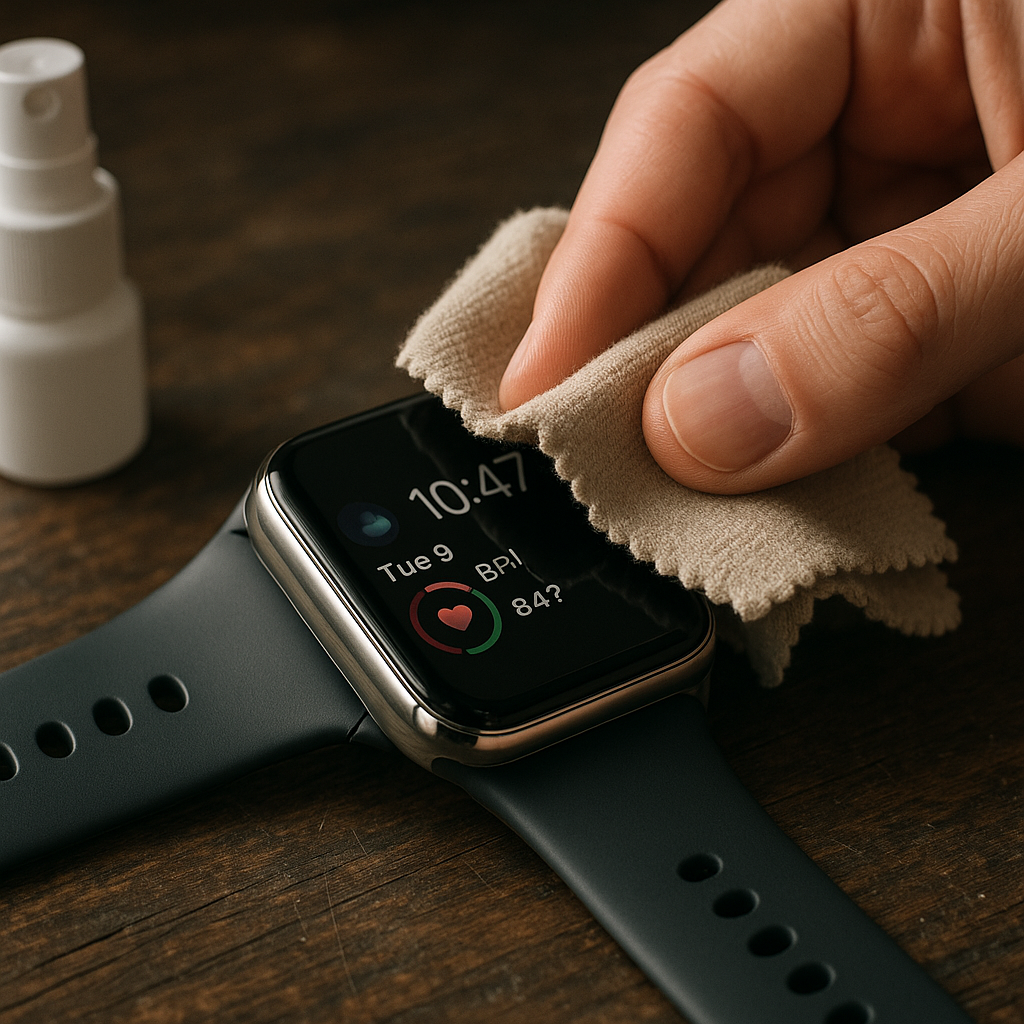
To begin with, always detach the bands from the main watch face as some materials have different cleaning requirements. Avoid using soaps, cleaning solvents, and abrasive materials that can potentially scratch or degrade the finish of the watch. A simple microfiber cloth moistened slightly with water often does the trick for the general maintenance of the watch face.
Cleaning Materials and Methods
The choice of cleaning materials can make or break your Apple Watch maintenance regimen. Heading out for specialty wipes made explicitly for electronics, or using a soft, lint-free cloth in conjunction with rubbing alcohol is effective in removing sticky residues. Learn more about these cleaning materials in our in-depth guide [Placeholder for Guide on Cleaning Materials].
Cleaning Different Types of Bands
Whether your watch sports a leather band, stainless steel, or a fluoroelastomer band, each type demands a unique approach for cleaning. Leather bands require a gentle touch and should not be submerged in water. Meanwhile, stainless steel may benefit from a little polish with a damp cloth, and silicone bands can generally handle more intensive cleaning with mild soap. Check out our complete guides on how to clean each type of Apple Watch band effectively [Placeholder for Guide on Band Cleaning].
How to Handle Water and Sweat Damage
The Apple Watch, while water-resistant, is not impermeable. Handling water and sweat damage has its protocols to ensure no long-term harm affects your device. We explore techniques to dry and properly cleanse your watch post-exercise or swim in our detailed guide [Placeholder for Guide on Handling Water and Sweat Damage].
Screen Maintenance for a Smudge-Free Finish
The screen serves as the primary interface between you and your Apple Watch. Frequent usage can lead to fingerprint smudges and dirt build-up. Regular wiping with a microfiber cloth can help maintain clarity and response accuracy. Discover more tips and preventative measures to keep your screen in top condition in our dedicated guide [Placeholder for Guide on Screen Maintenance].
Frequently Asked Questions
Yes, Apple has specified that you can gently use disinfectant wipes like Clorox or 70% isopropyl alcohol wipes on the surfaces of your Apple Watch, but avoid sensitive areas such as fabric or leather bands.
Ideally, you should clean your Apple Watch weekly, or more frequently if exposed to substances that may cause damage, such as sweat, lotions, or outdoor pollutants.
If your Apple Watch comes into contact with water, use the Water Lock feature to clear any water from the speaker and dry it thoroughly using a lint-free cloth. Avoid charging until the watch is completely dry.
Avoid abrasive materials, detergents, and cleaning solvents that can damage your Apple Watch’s screen and finish. Likewise, stainless steel cleaners should only be used on corresponding metal surfaces, not on other parts of the watch.
Most Apple Watch models are water-resistant to a significant depth, making them suitable for swimming. However, repeated exposure to chlorine or saltwater may require extra cleaning and care to ensure longevity.